



What inspired you to create Füde?
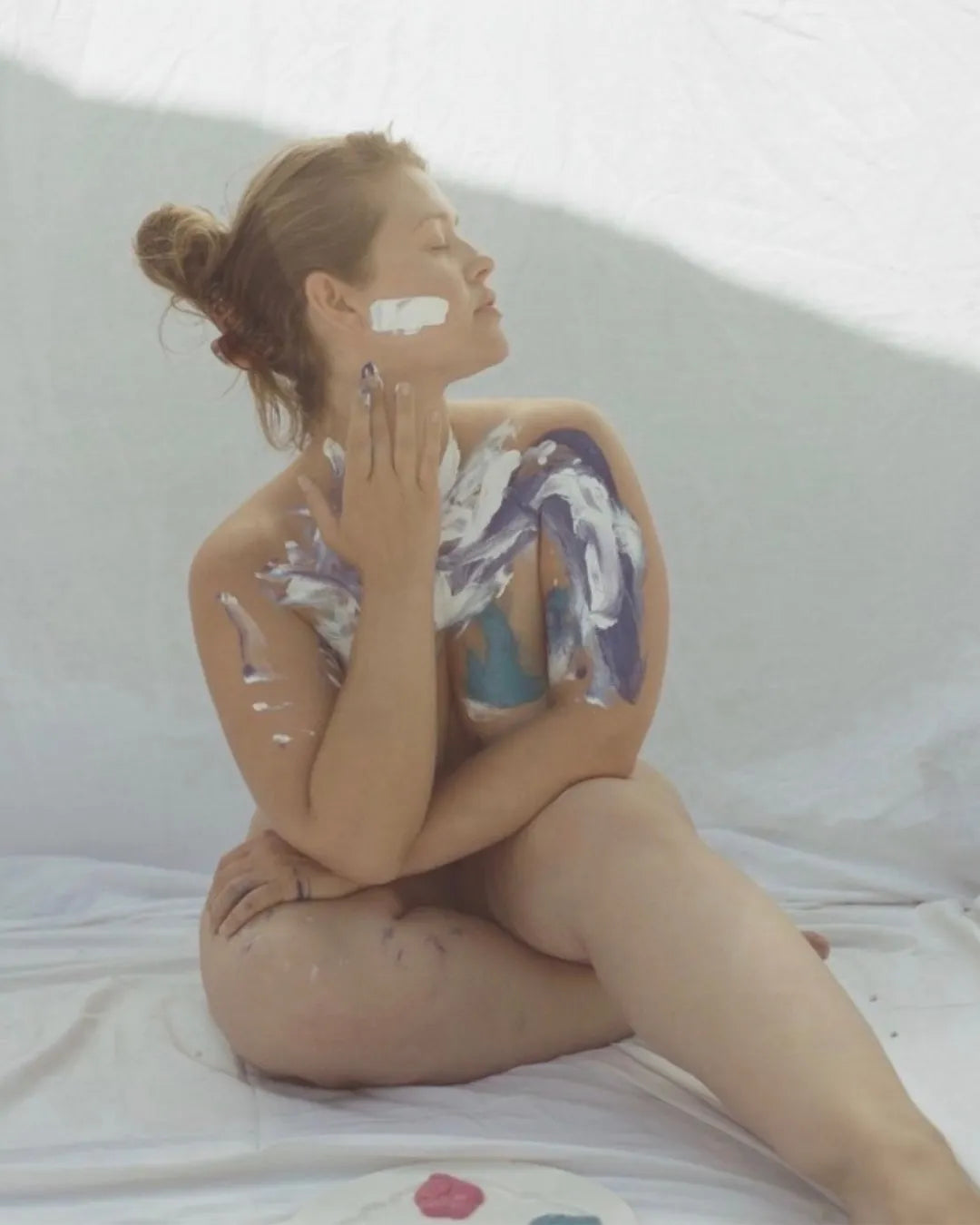
Füde came from my own search for freedom. I grew up doing ballet, where I learned to see my body as something to constantly critique and perfect. It wasn't until I discovered nudity, plant-based cooking, and creative expression that I experienced what it felt like to simply exist in my body instead of evaluating it.
I started sharing plant-based recipes alongside nude photographs online, but my page and content kept getting removed. I wanted an intentional space free of that censorship.
Füde became a place where food, art, conversation, and non-sexualized nudity could exist together, a way to help people remember who they are underneath all the roles, expectations, and performance. It takes the shame out of the body, desexualizes and normalizes nudity, and confronts fear in an interesting way: nudity as surrender. you arrive without anything to hide behind and are invited to simply be.


How did growing up around food, art, and creativity shape the way you build experiences today?
My parents are both artists, deeply creative and resourceful people, so I grew up always making something or figuring out how to bring an idea to life with whatever was around us. I started making music as soon as my hands could hold a guitar or reach the piano keys. Creativity was never separate from daily life, it was simply how we existed.
That resourcefulness shapes how I build Füde today. I'm hands-on, and I love creating an entire world around an idea, whether that's an installation, a menu, or transforming a space. My parents are still part of that process, I talk to them every day and they brainstorm almost everything with me. My dad even helped with the setup for our recent Hara X Füde Sacred Rage dinner, walking me through the installation over FaceTime while I poured cement and we talked through the paint plan.
Food shaped me just as much. I was born vegetarian, my parents have been since their twenties, and there was always care around animals in our home. That foundation is why every Füde experience is built around plant-based food, it's the lens I naturally design through.

"A meal can completely change how people feel. It slows us down, gives us something to share, creates space for stories to emerge. Art does the same, it invites curiosity instead of certainty"
When I design an experience, I'm thinking about all of it together, the theme, menu, lighting, music, rituals, sourcing ingredients as close to the grower as I can. For me, it's all connected: food, art, nature, creativity, and the way we gather.


A lot of your work centres on helping people come back to themselves, what does that process actually look like, in practice, for someone new to it?
It usually starts much more simply than people expect. Someone arrives feeling nervous, thinking about what they look like, whether they'll fit in, whether they're "doing it right." Within the first few minutes, something begins to soften. There's always a mindfulness practice to help us get out of our heads and into our bodies. They're eating beautiful food, having conversations that normally don't happen with strangers, and realizing everyone else had the same fears.
Eventually, people stop performing. They stop comparing. They laugh more. They make eye contact. They tell stories they didn't expect to share.
For me, coming back to yourself means remembering who you were before you felt like you had to constantly protect or prove yourself.


If someone walked away from a Füde experience with only one thing, what would you want it to be?
I hope they leave with a little less armor and shame. More alive, more present, more connected to themselves, and with the confidence to attract deeper alignment and connection in their life.


What's helped you most in building your own sense of ease in your body?
A little faking it till I make it, and eventually it becomes real. Being conscious about what I'm consuming, and being intentional. Showing up to something consistently.
Cooking nourishing food, moving my body because it feels good, creating art, and surrounding myself with people who value honesty over perfection all shifted my attention away from appearance and toward experience.
Ease comes from fully living inside my body, rather than constantly thinking about it.

How has your relationship with your body changed over time?
When I was younger, my body felt like a project I was always trying to improve. Now it feels much more like a home.
Our bodies are our true home for this life, this vessel, with millions of microorganisms living inside. If we can find comfort in ourselves, we can find home everywhere. Emotionally, I let myself feel things and let them move. Something sweet that brings me to tears, I let it happen. Something funny, I let myself laugh fully.
There are still days I feel insecure, I'm human, but those moments don't define my relationship with myself anymore. My body has become the place where I experience joy, grief, creativity, love, good food, community, and life itself.
The biggest shift has been asking myself how fully I got to live in my body today, rather than how it looks.