



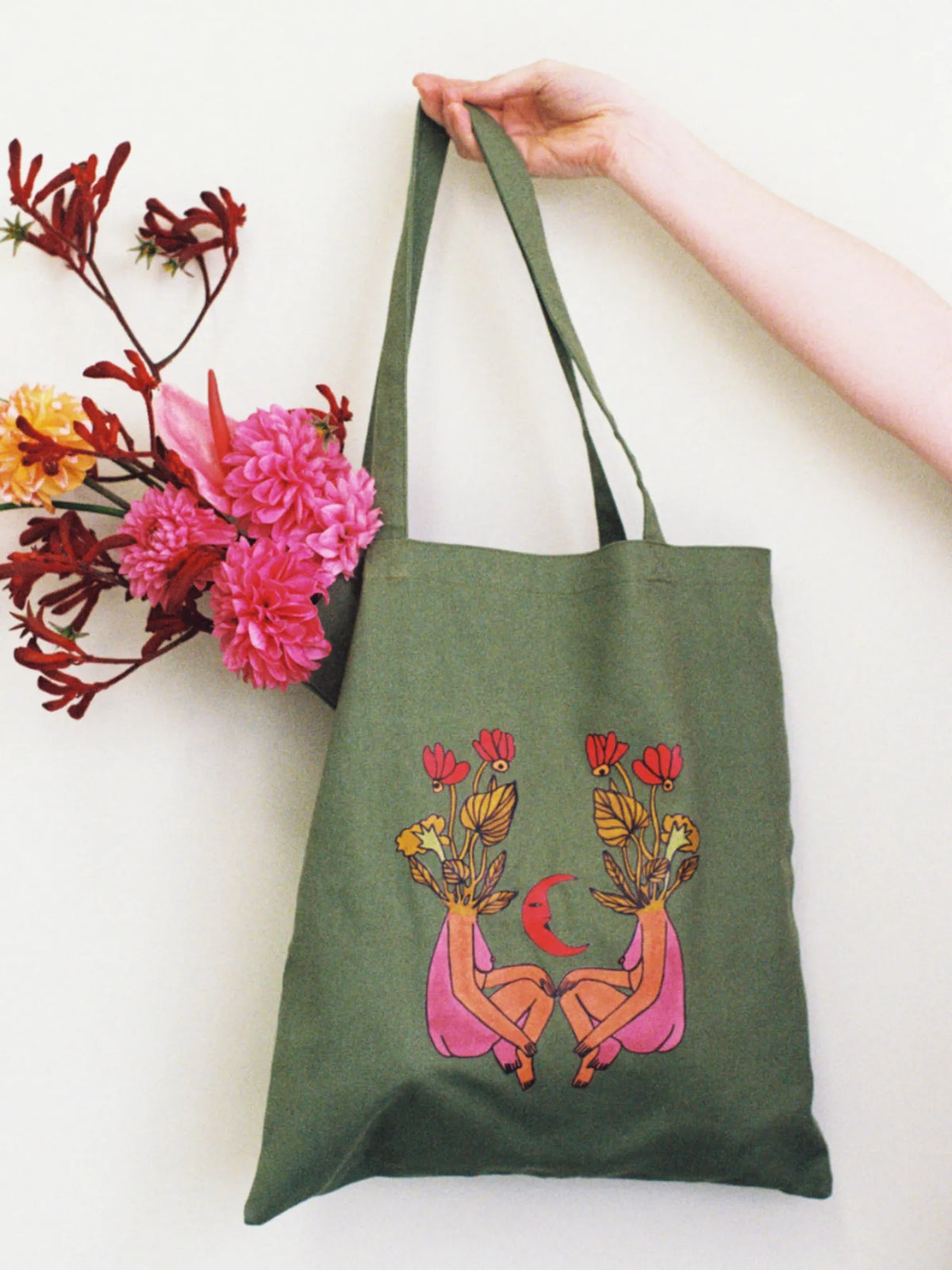

But a village isn't something you stumble into. It's something you tend, like a garden. It grows through small, unglamorous acts, done over and over by people who decide to keep showing up. Even when it's inconvenient. Especially then.
So maybe the question isn't "where's my village?" Maybe it's a gentler, more honest look in the mirror: whose village am I really part of?

What it means to be a villager
A villager isn't the friend with the busiest social calendar or the prettiest photos from the birthday dinner. It's the person whose love you can count on in the ordinary, practical moments, when no one's taking photos at all.
Boundaries are healthy, and rest is non-negotiable. But a village also runs on a little give: a willingness to be put out now and then for someone you love. Not endlessly, and never at the cost of yourself. Just enough that the people around you know they can lean.
A like on a post is a nice nod, but it isn't a conversation. Being a villager means picking up the phone, asking the second question, and actually listening to the answer. It's trading a little of your own comfort so someone else feels held, and trusting that one day they'll do the same for you.

How to show up for the people you love
01. Swap "let me know if you need anything" for a real offer.
It's kind, but it hands the work back to someone who's already stretched. Try "I've made a double batch of soup, can I drop half over?" or "I'm heading for a walk on Sunday morning, want to come? I'll bring the coffees."
02. Do the unglamorous jobs.
When a friend is sick, grieving or flat out burnt out, take the bins out, put a load of washing on, and stock the fridge with food they don't have to think about. When someone's moving, bring the packing tape and stay until the last box.
03. Remember the dates that matter, including the hard ones.
The first day in a new job, the results appointment, the anniversary of a loss. A message that morning will mean more than any gift.
04. Go to the thing that's theirs.
The netball grand final, the pottery exhibition, the first market stall. You don't have to love the thing. You love them, and they'll look up and see you there.
05. Stick around for the long middle.
Everyone rallies in the first week of a hard time. By week six, the casseroles have stopped coming. Be the one still checking in once the crowd has gone home. And if they live far away, post a parcel or send the photo that made you think of them.
06. Say yes to the favours that put you out a little.
The 6am airport pickup. Watering the plants while they're away. Helping shift a couch up three flights of stairs. None of it is glamorous, and most of it lands at an awkward time. That's exactly why it counts: it tells someone they're worth a bit of your Saturday.
07. Make repairs quickly.
You'll miss things, forget things and get things wrong. When you do, say sorry simply and skip the excuses. Friendships rarely break over one slip-up. They break over the ones nobody talks about.

How to let your village show up for you
This is the harder half for a lot of us. We're great at giving and terrible at receiving. But a village only works if you let yourself be held by it too.
01. Ask, and be specific.
People want to help; they just don't know how. "Could you come with me to that appointment on Friday?" is far easier to say yes to than a vague hint.
02. Let people see the real you.
You can't be supported in a struggle no one knows about. Letting someone in on the messy middle is an act of trust, and it gives them permission to do the same.
03. Say yes when help is offered.
Next time someone offers to bring a meal or lend a hand, try not to reflexively say "oh, I'm fine." Receiving is a gift to the giver, too.
04. Let go of keeping score.
A village isn't a ledger. Some seasons you'll give more, some you'll lean more. It evens out across a lifetime.
05. If a friendship feels one-sided, name it kindly.
Wanting it to flow both ways is completely reasonable, and often the other person just hasn't noticed. A warm "I miss hearing from you" can reopen a door. If it doesn't, you'll know where to put your energy.

Small rituals that keep a village alive
Villages don't need much to thrive, just consistency. A few ideas to start with:
A standing date. A monthly dinner, a Sunday walk, a weekly call. Put it in the calendar so it happens without anyone having to organise it.
The open-door afternoon. Let friends know you're home and the kettle's on. No cleaning required.
A shared group chat with purpose. Use it for real check-ins, not just memes. "Rose and thorn of the week" is a lovely place to start.
Meal trains and care rosters. When someone goes through a loss, a surgery, a breakup or a big move, coordinate so help is spread across weeks, not crammed into days.
Handwritten notes. Rare, slow and unforgettable.