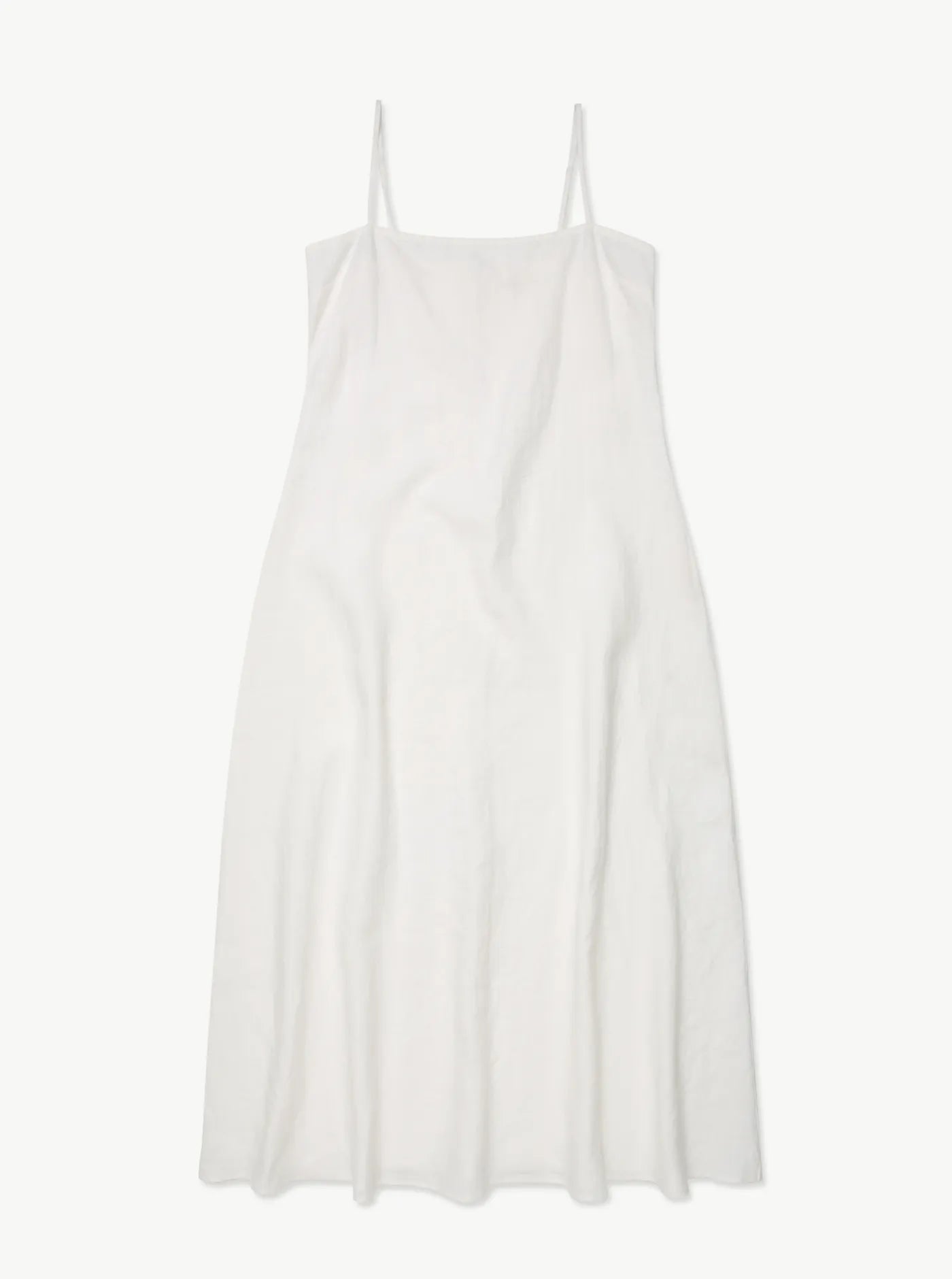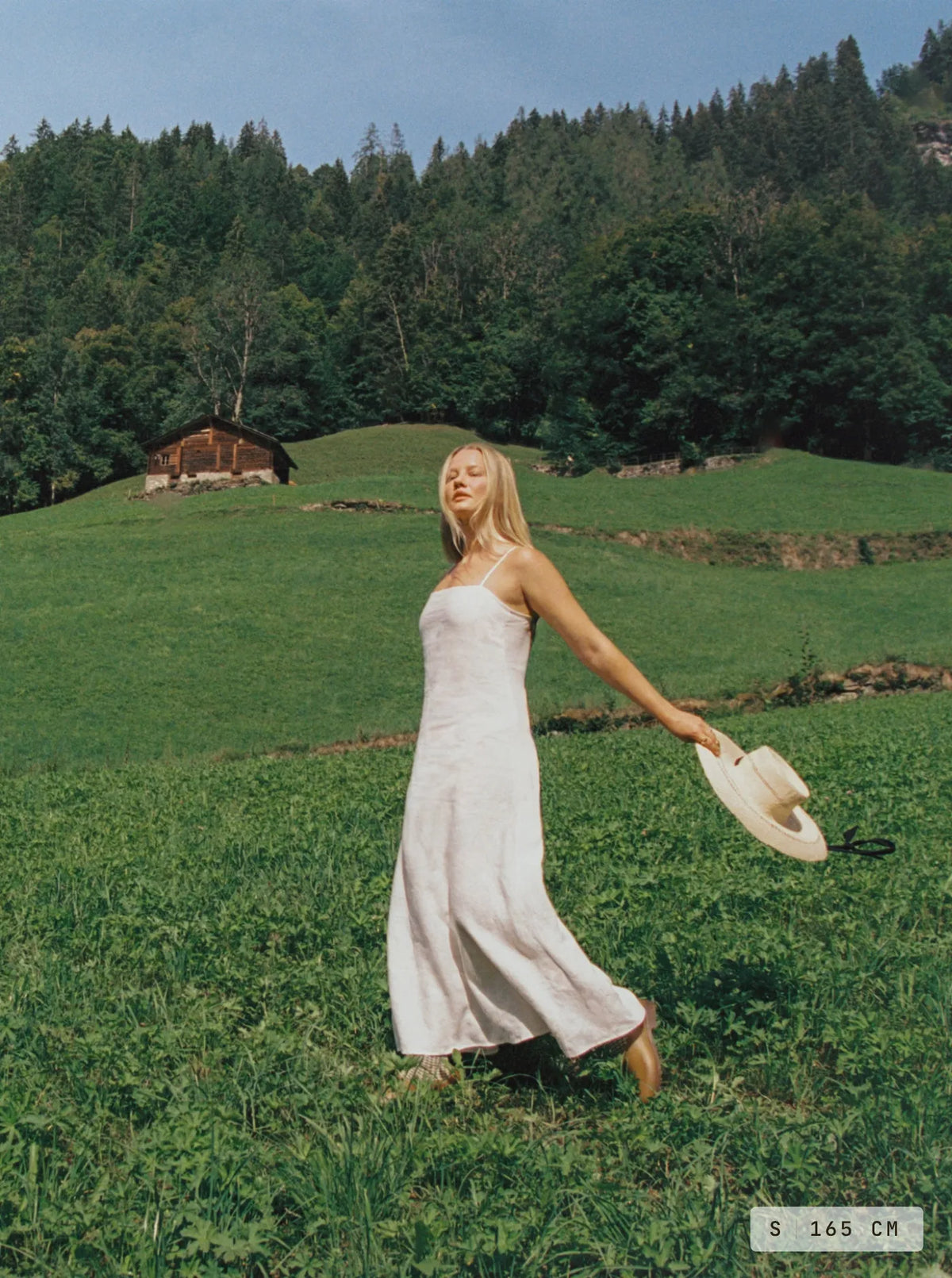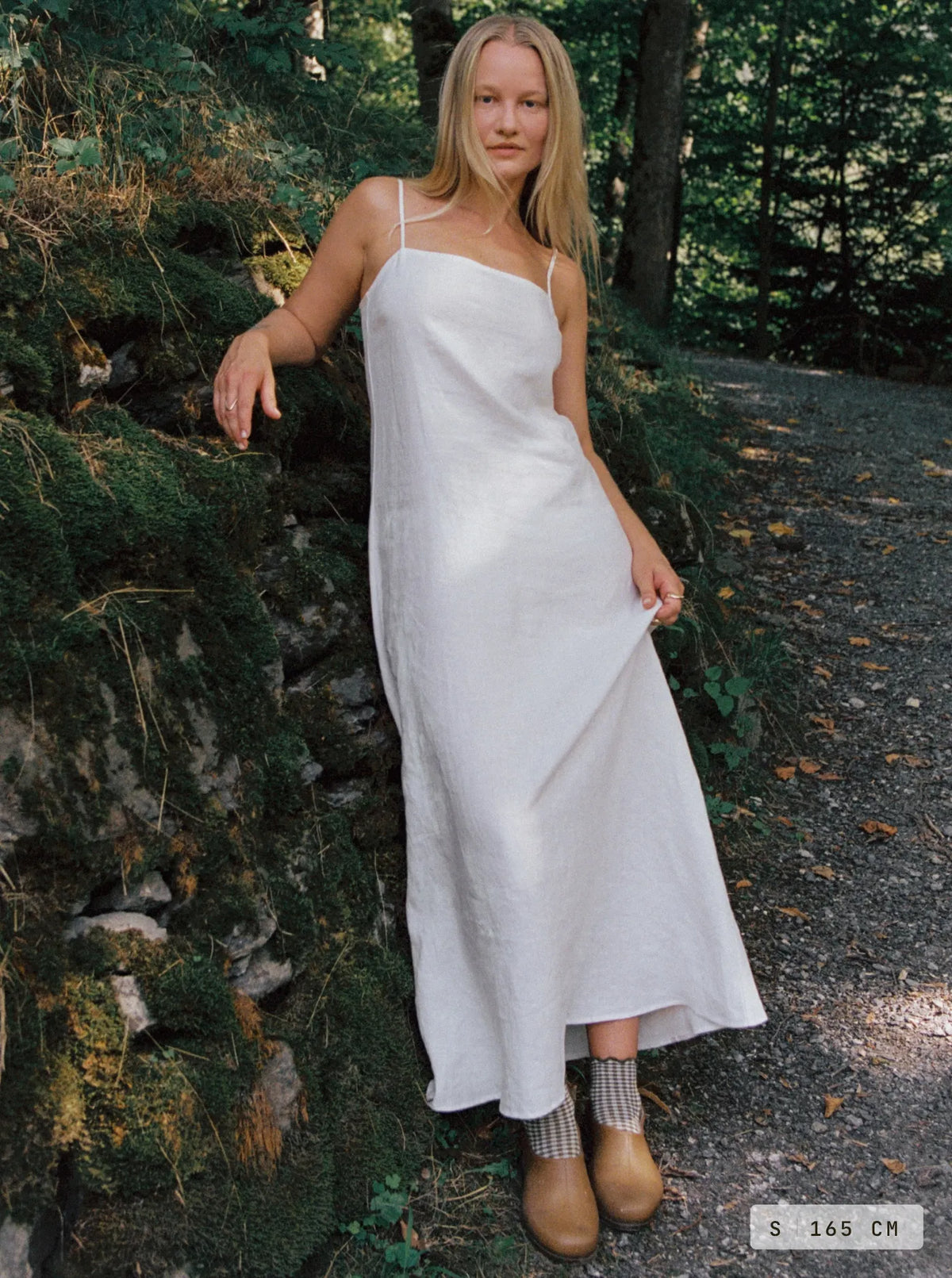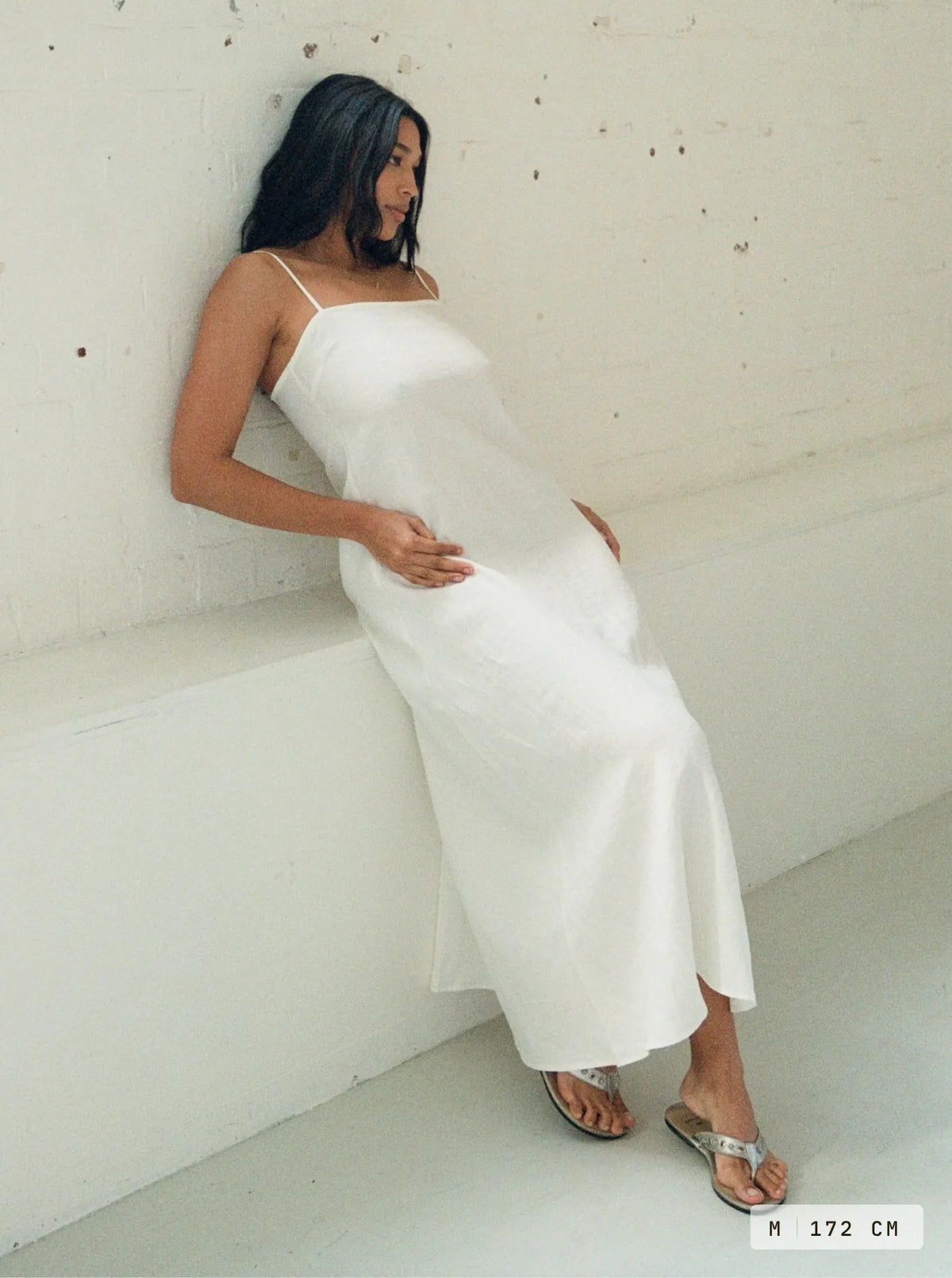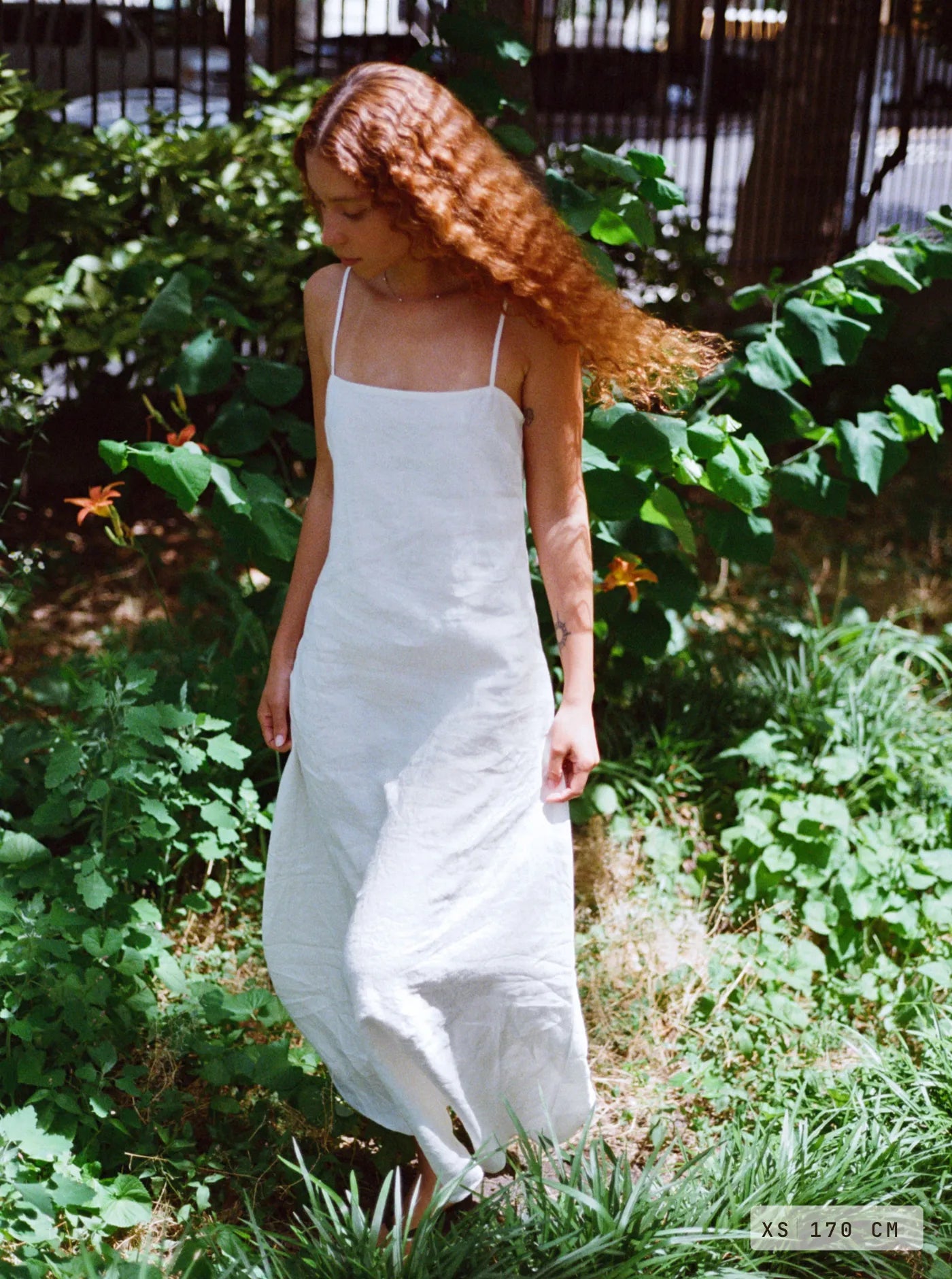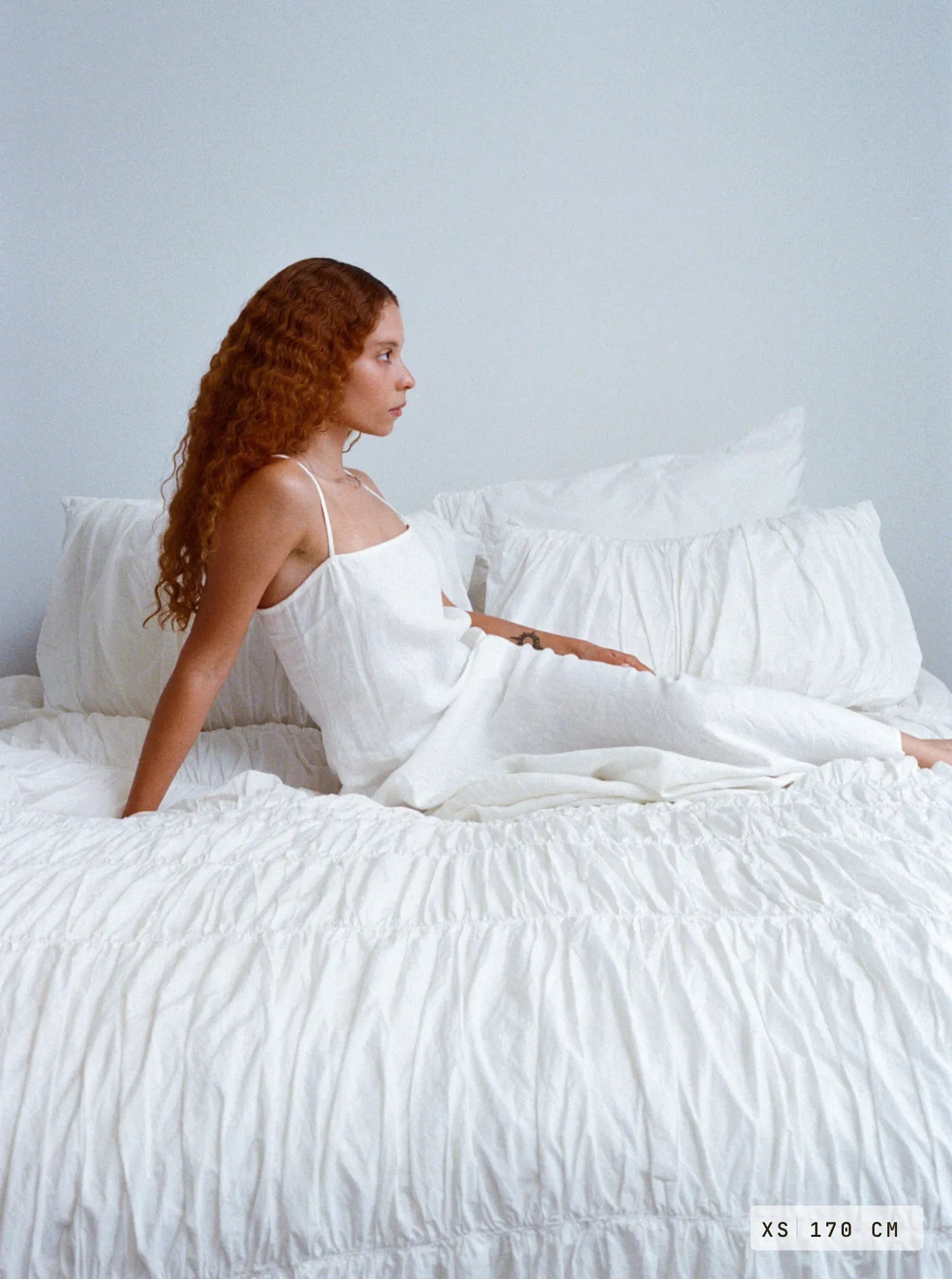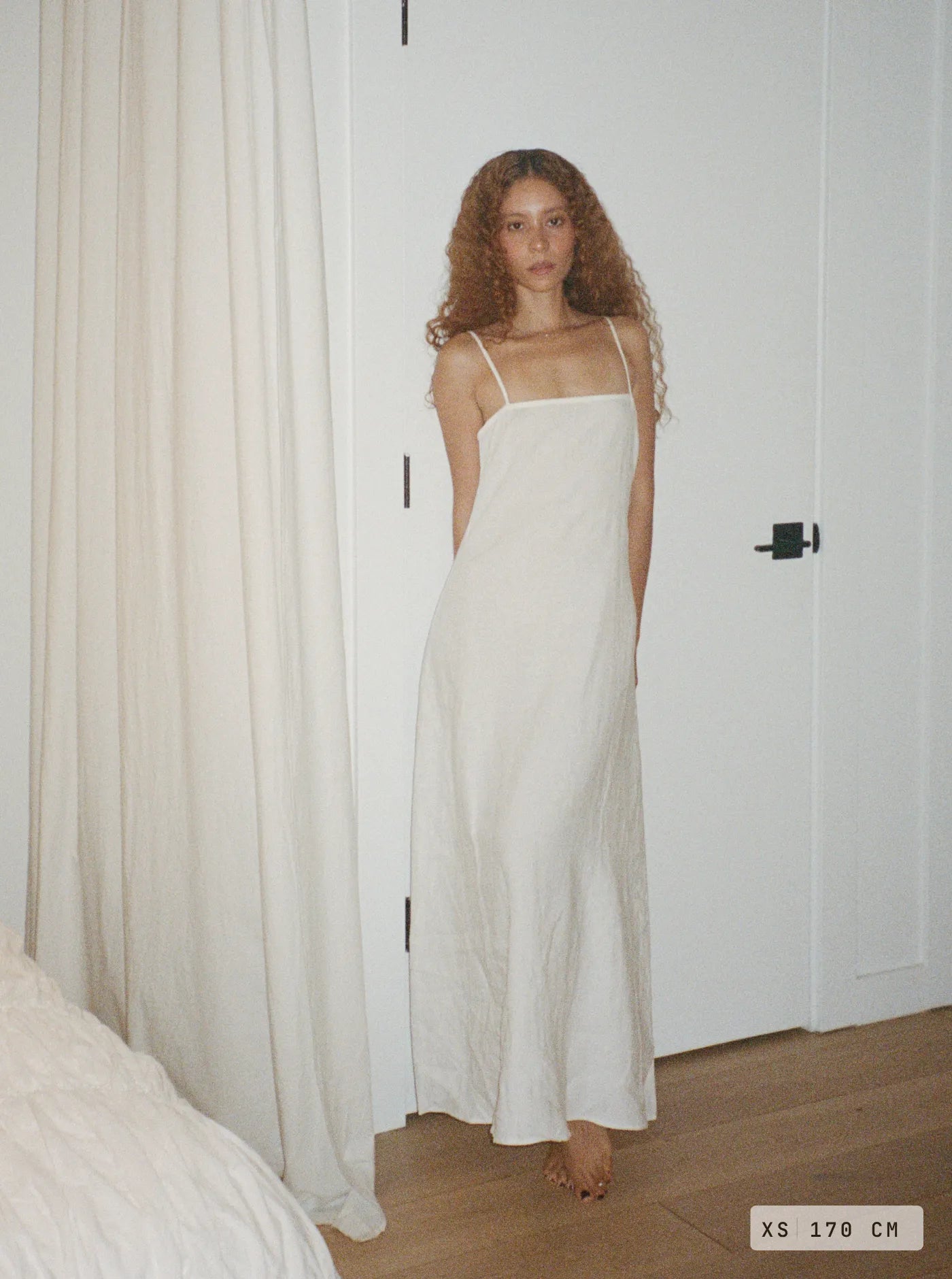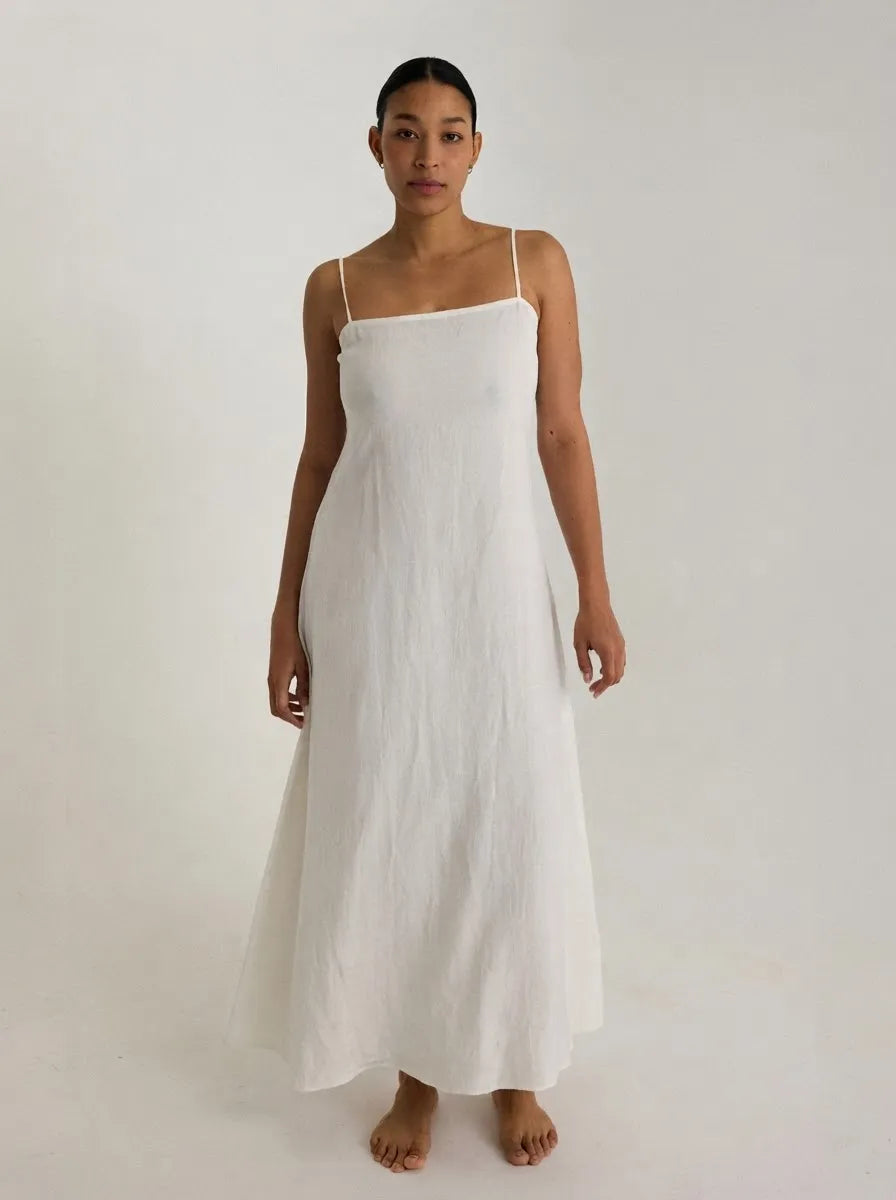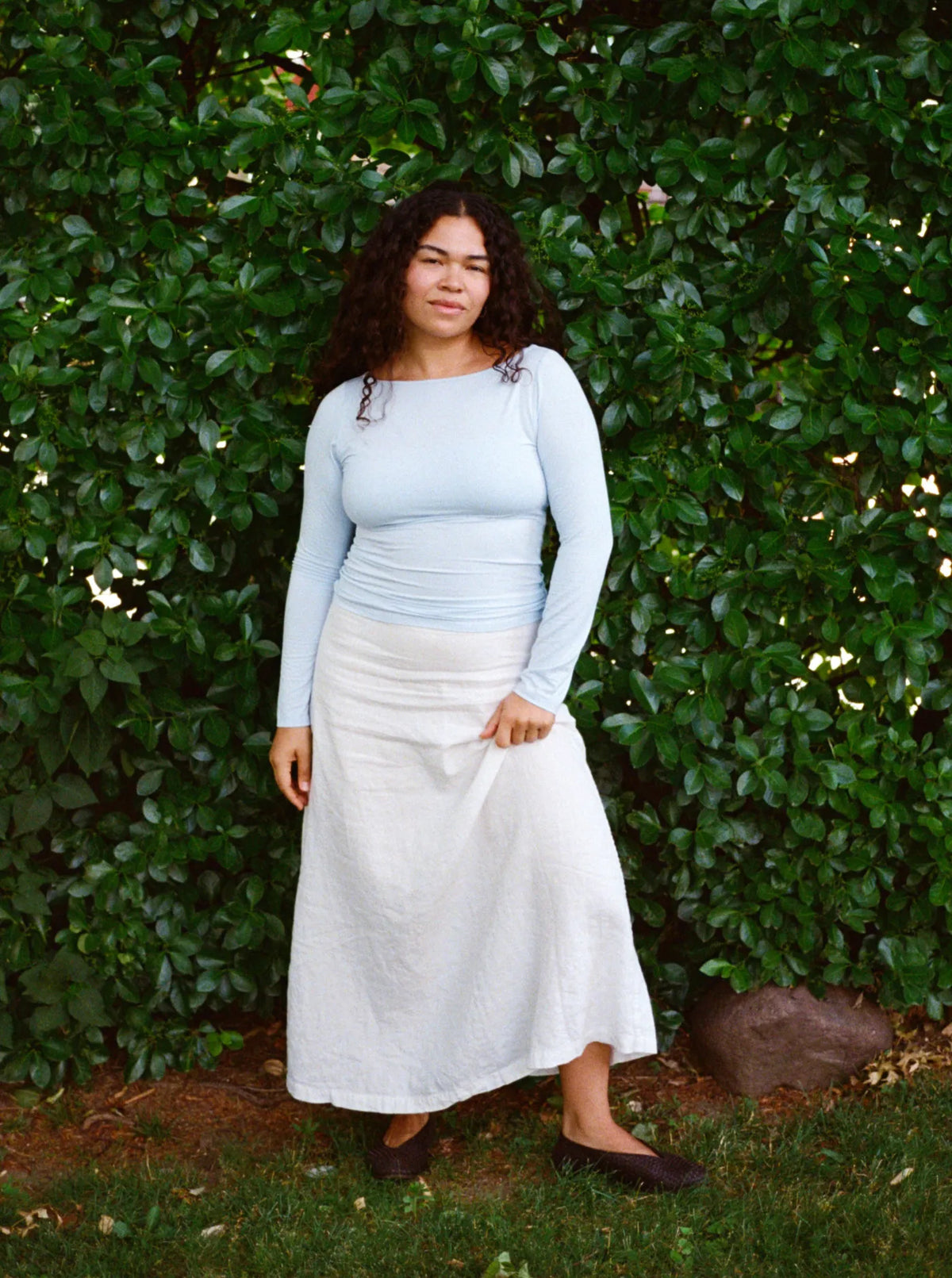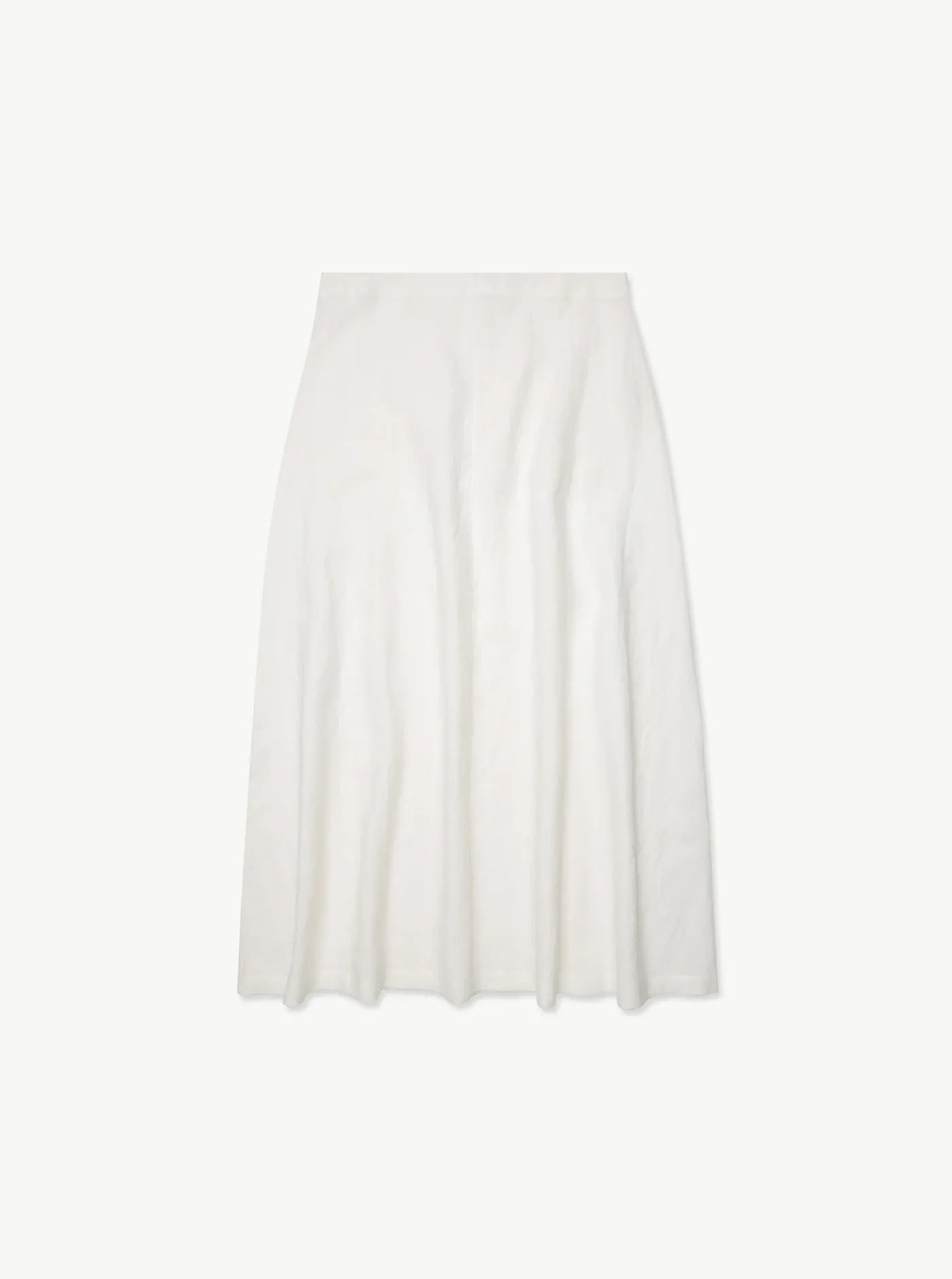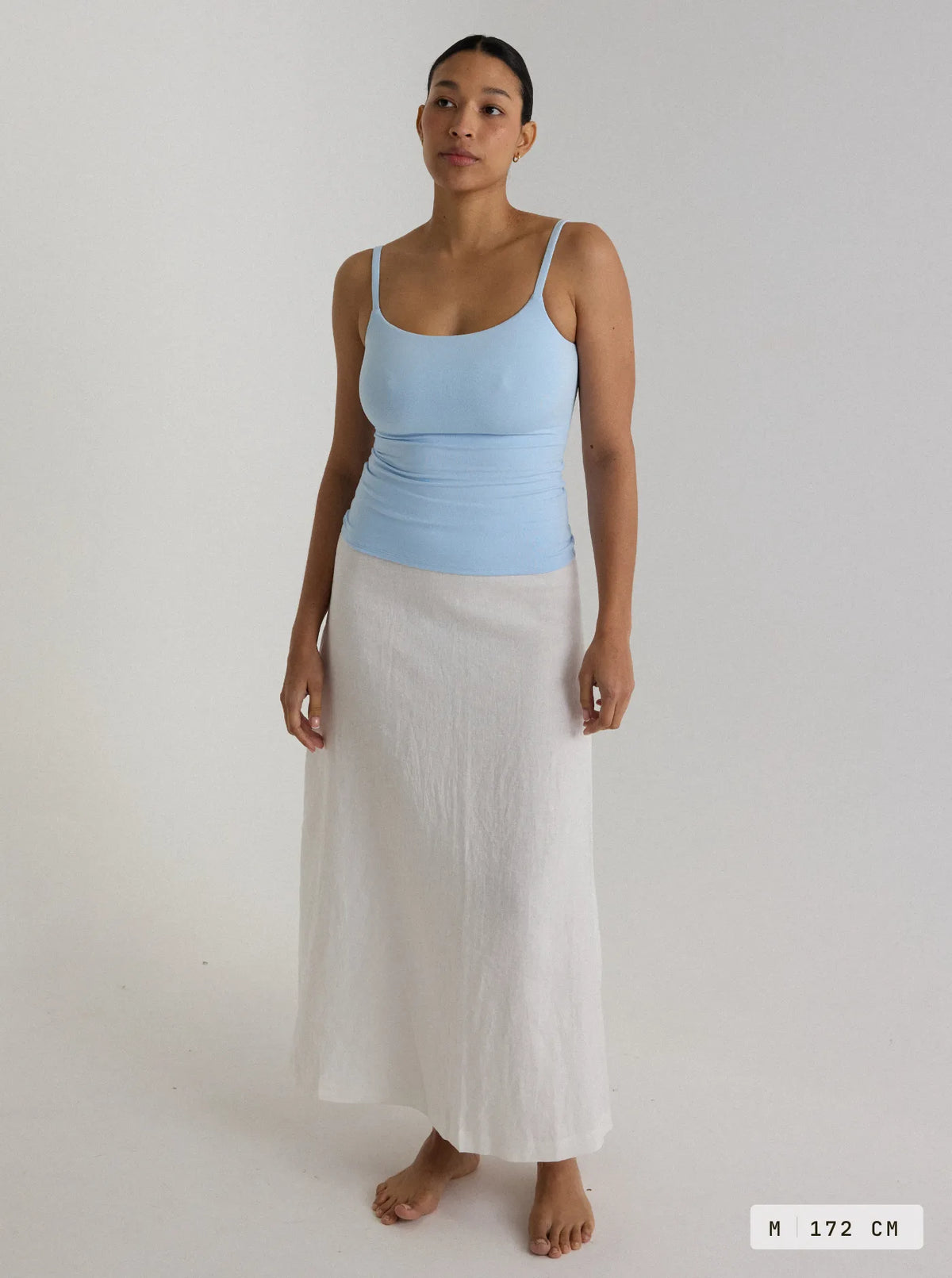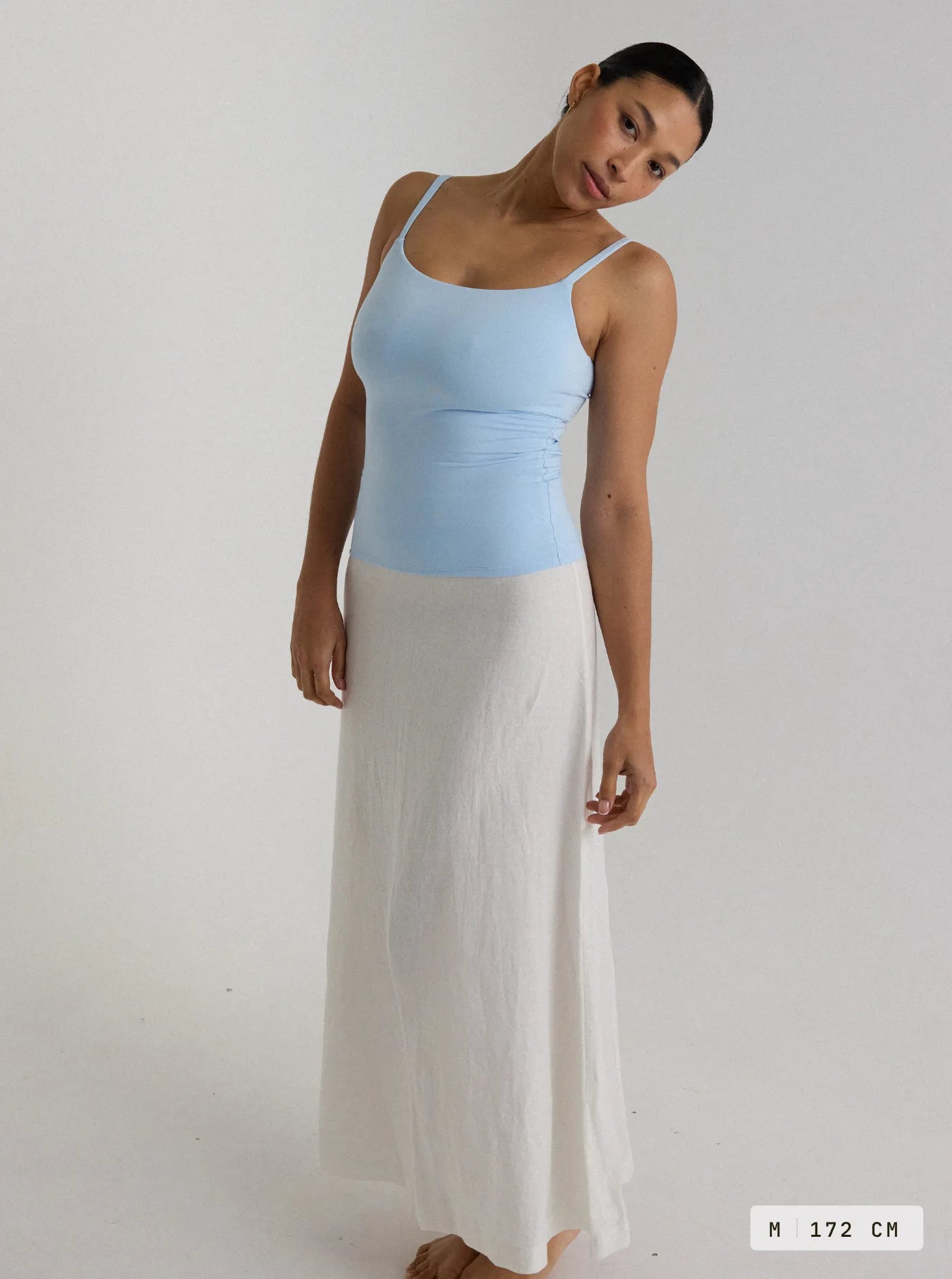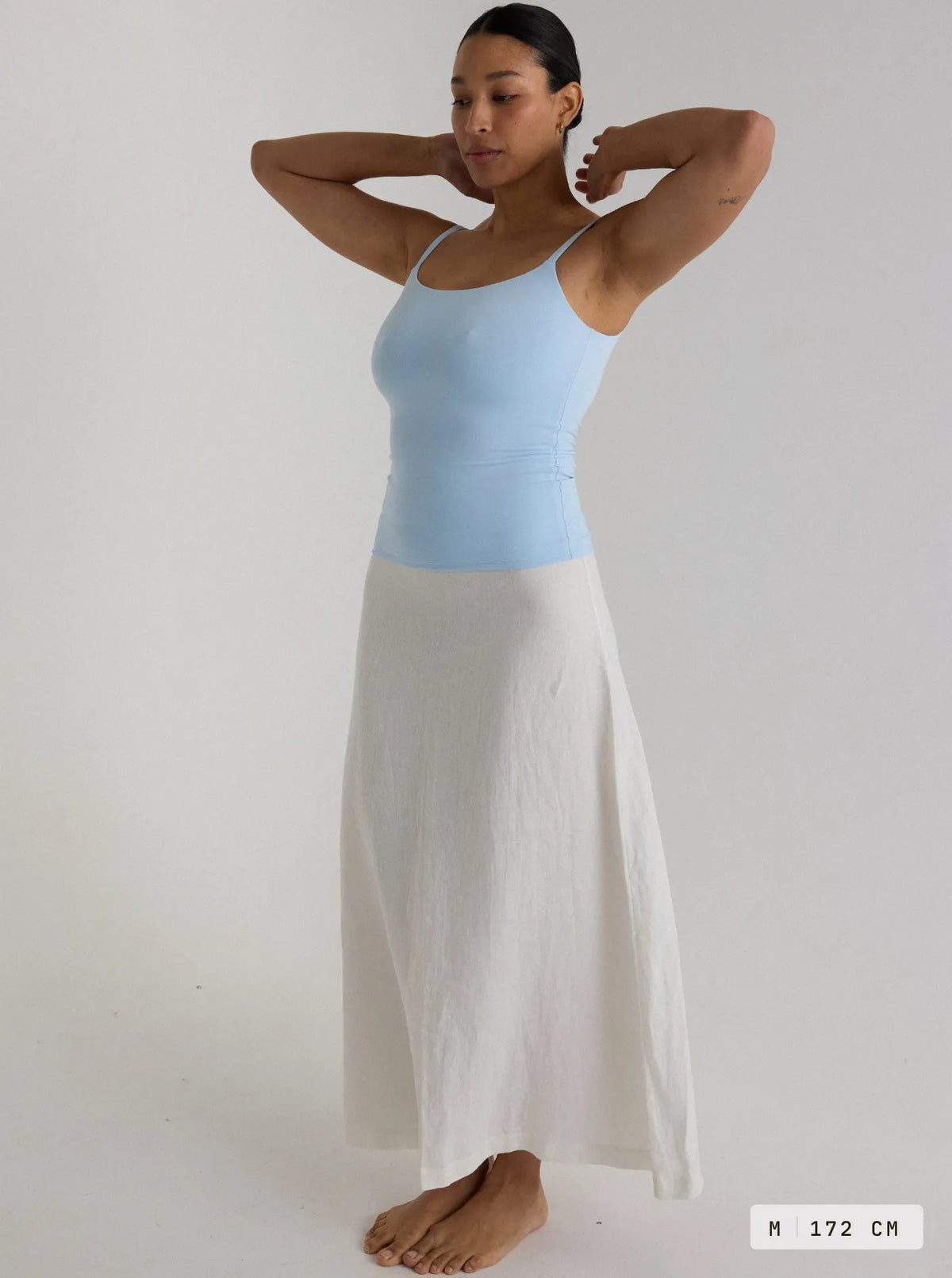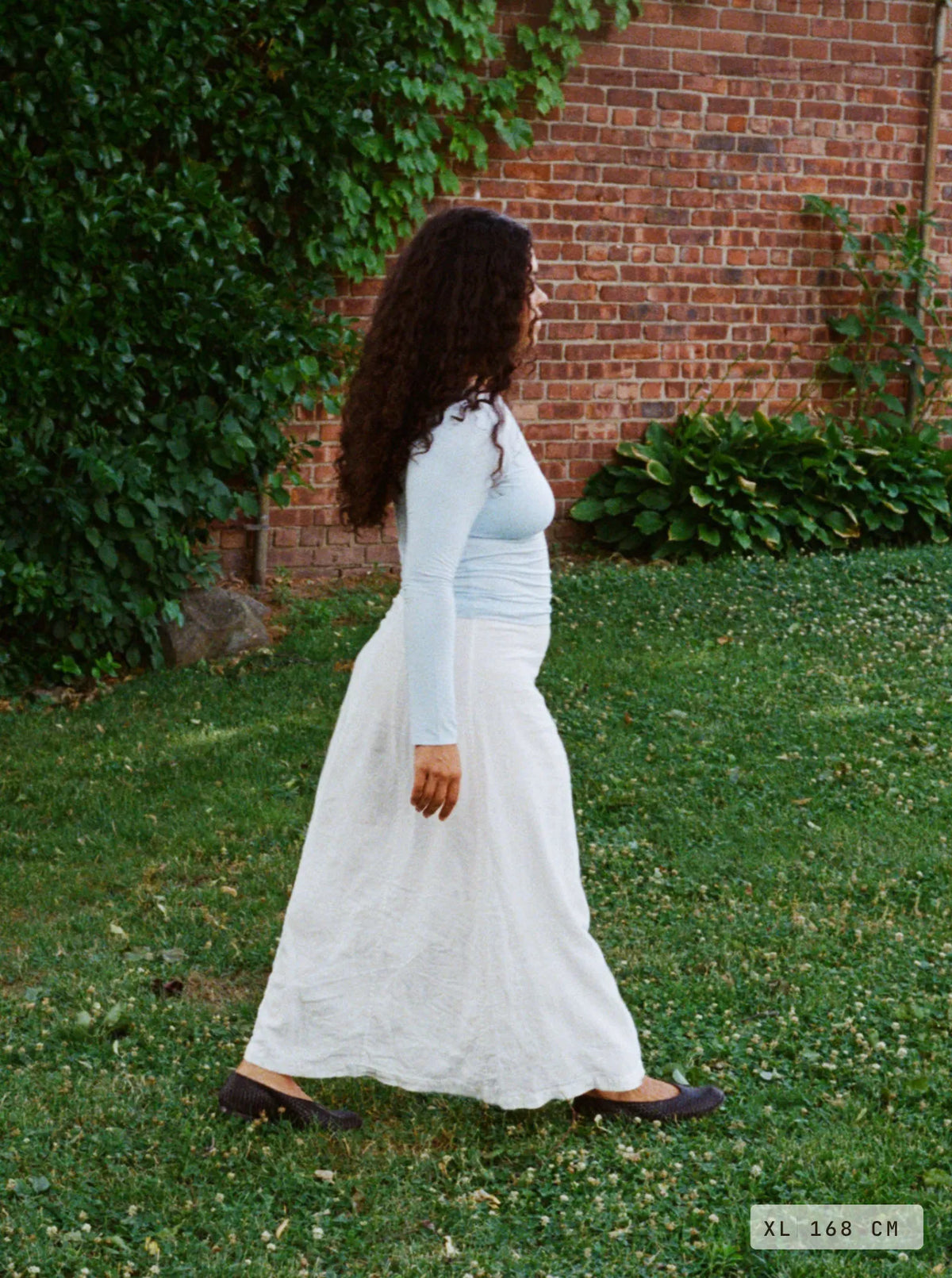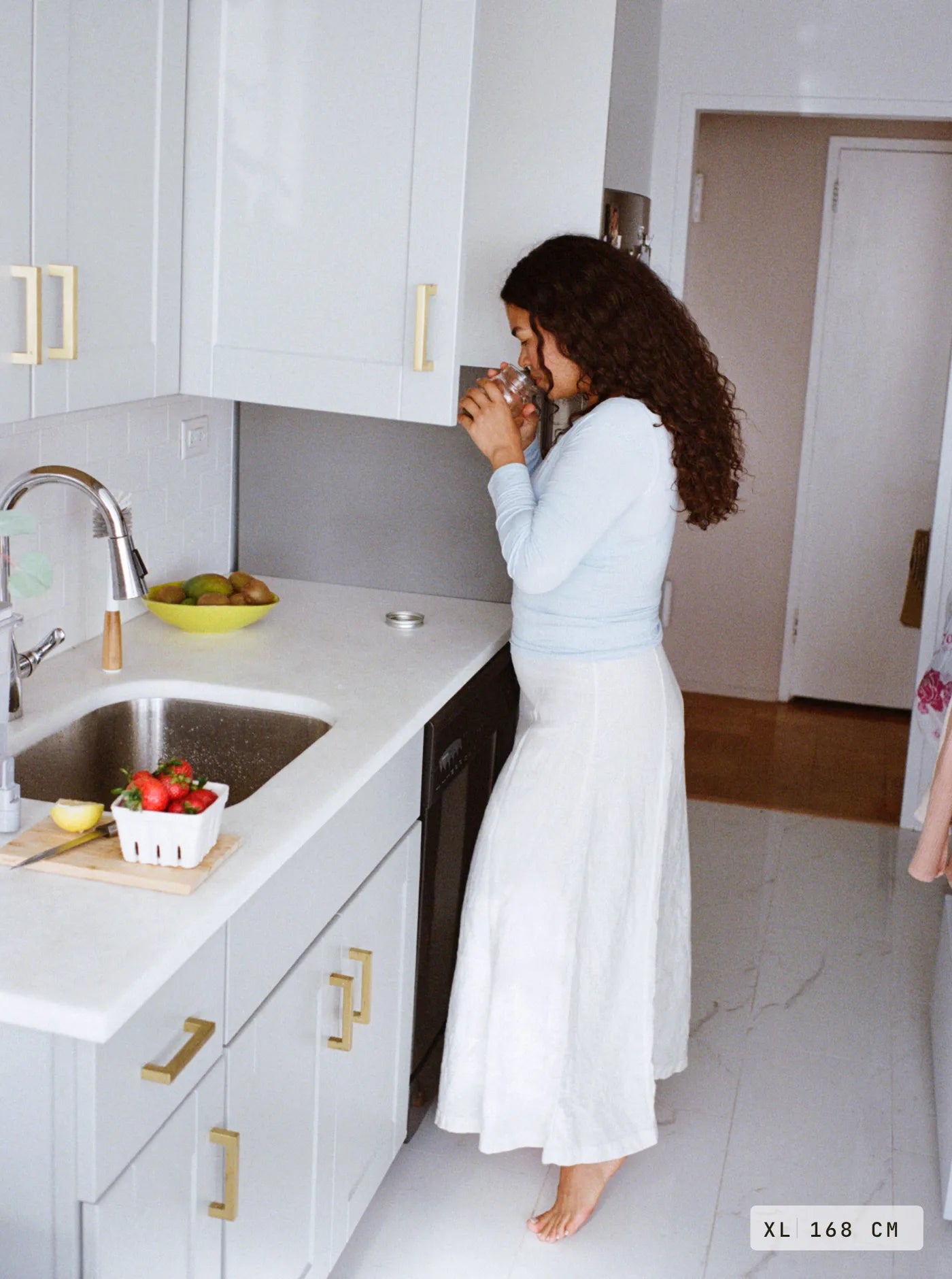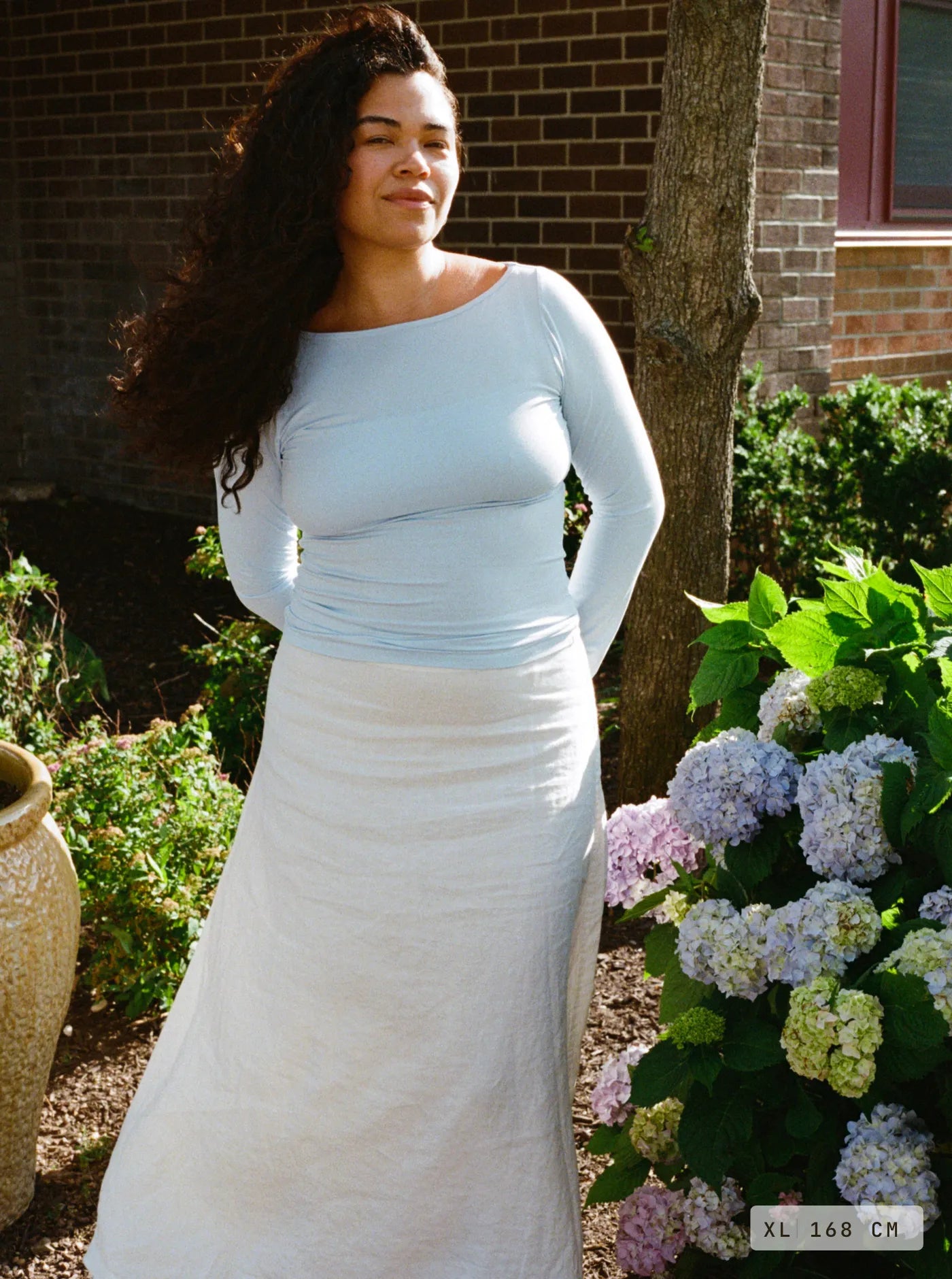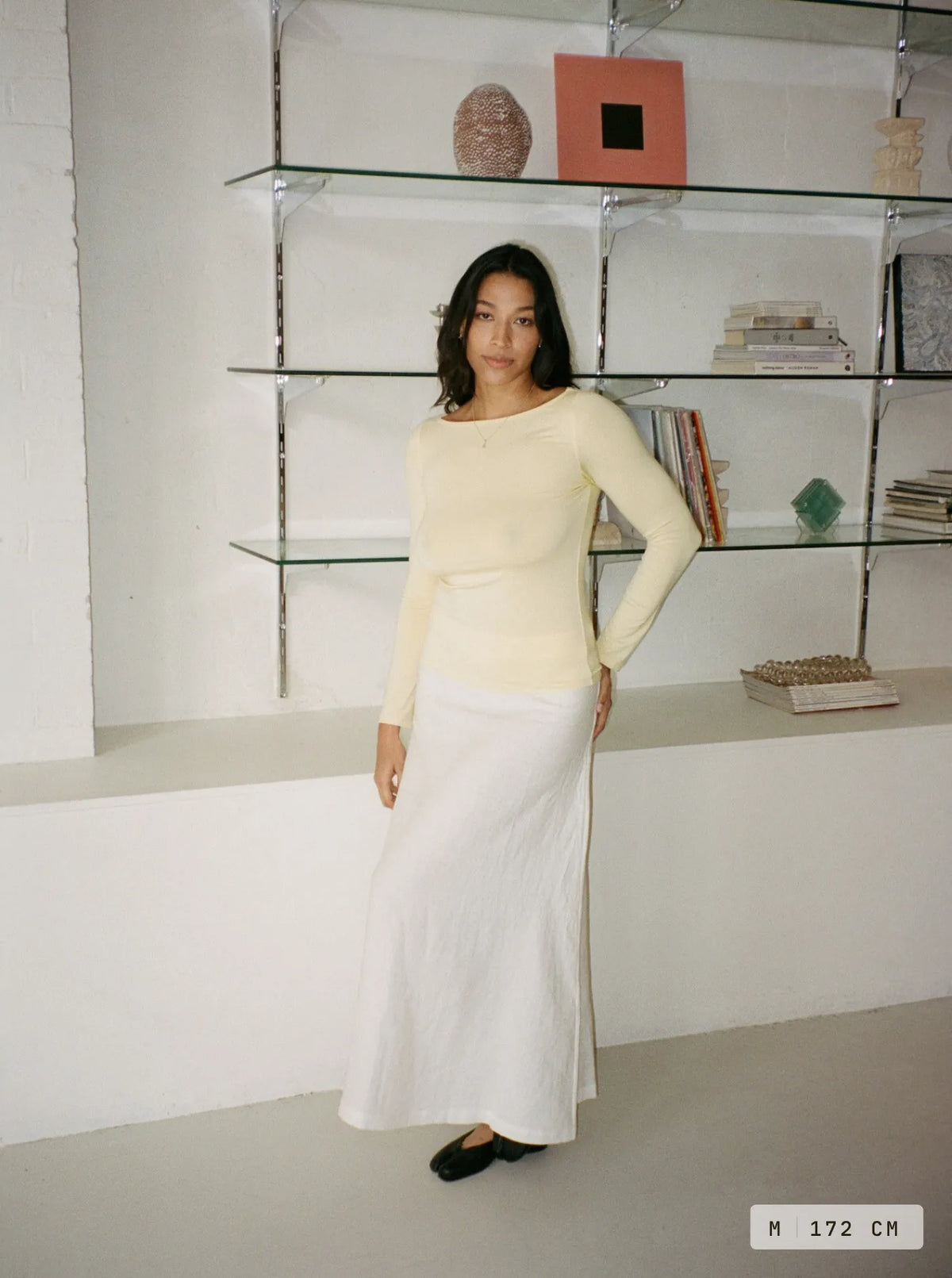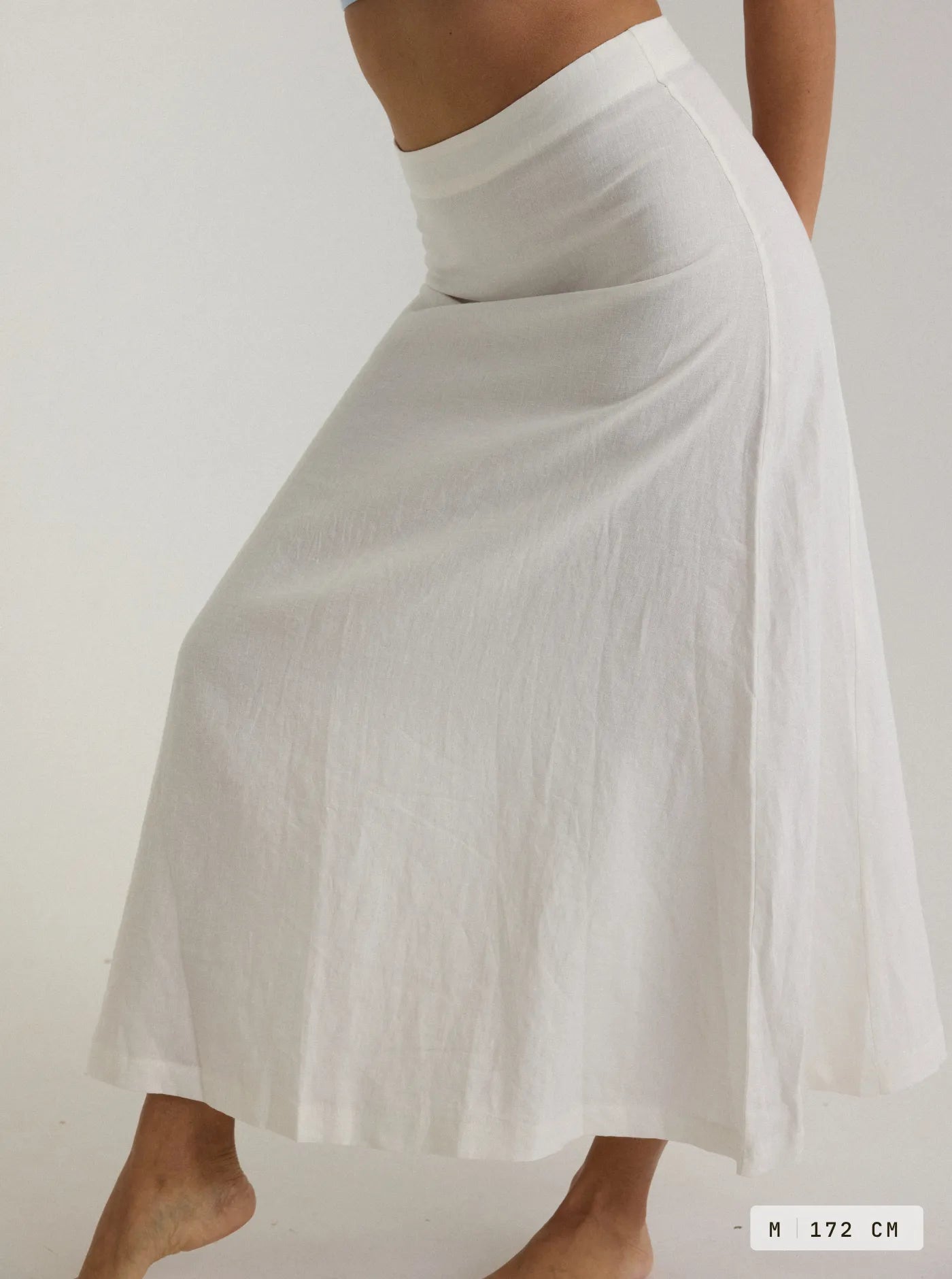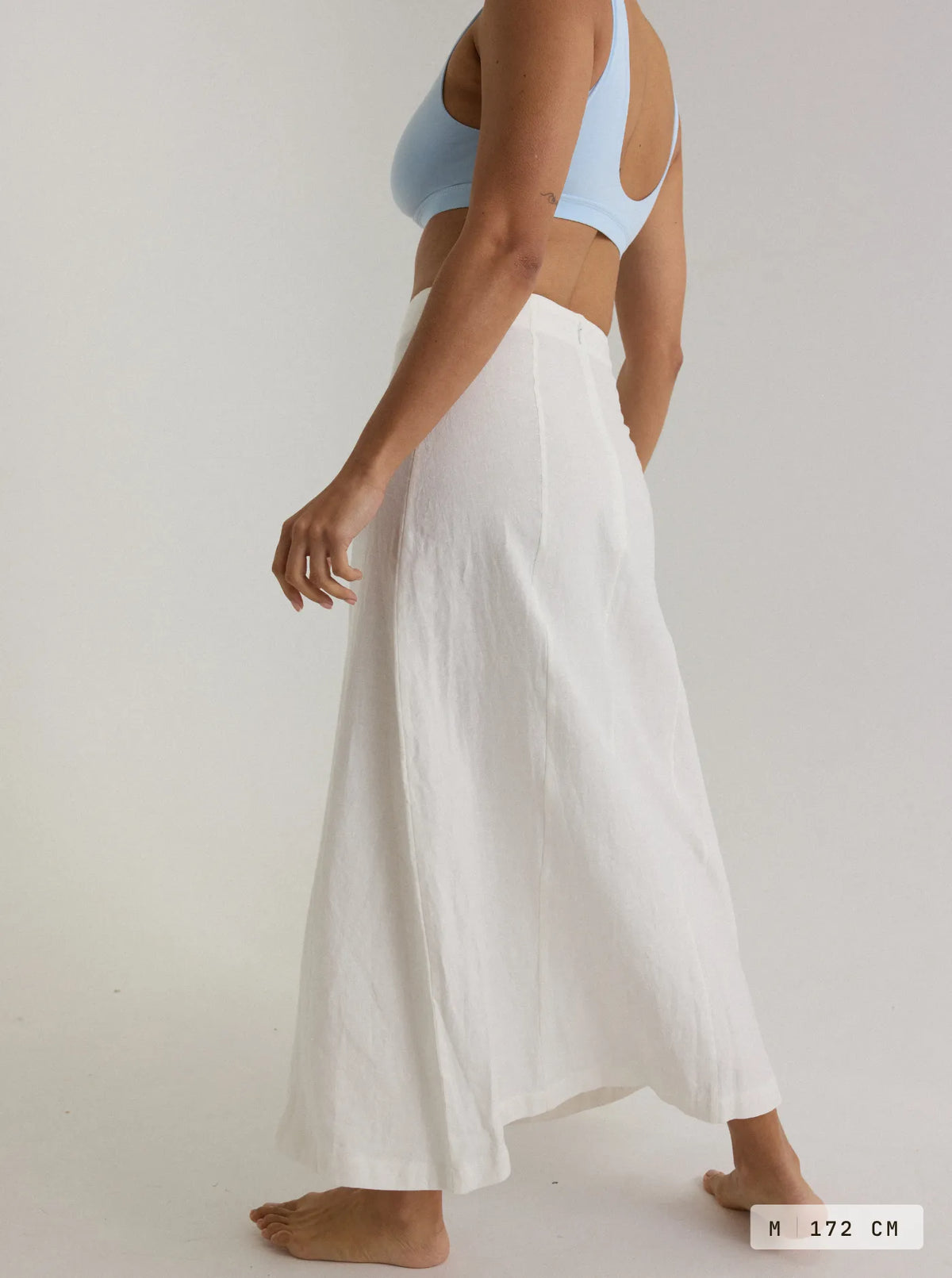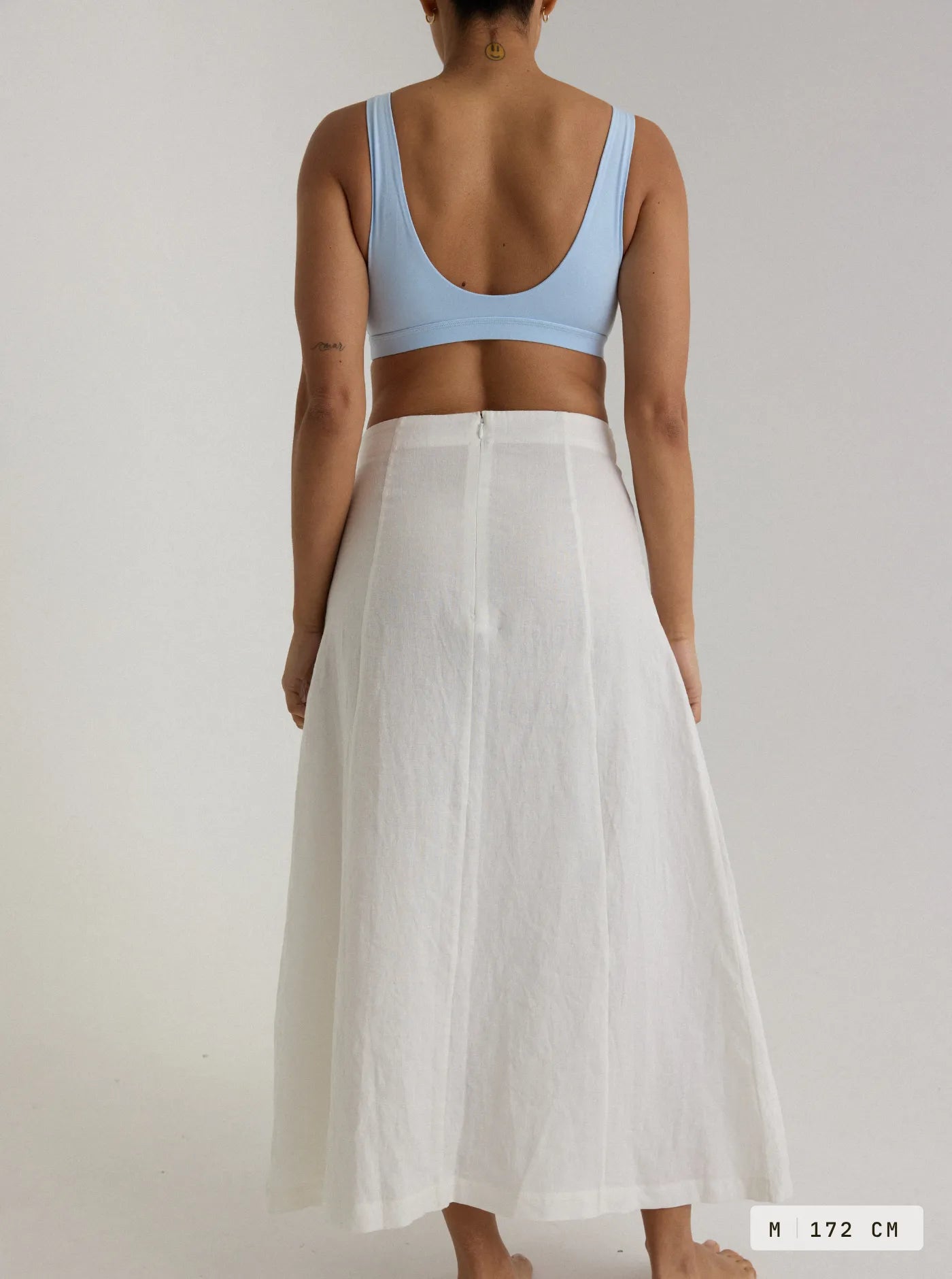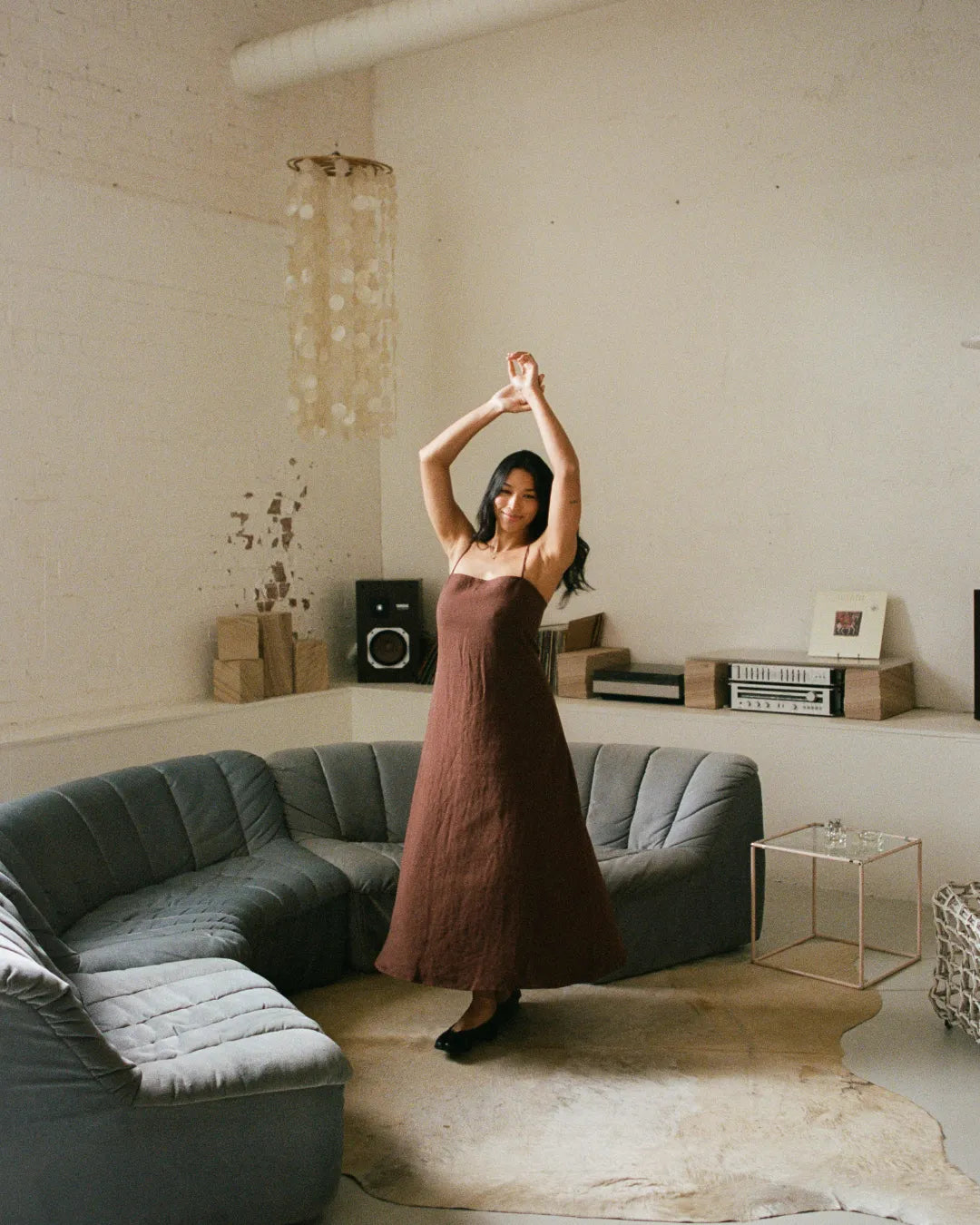


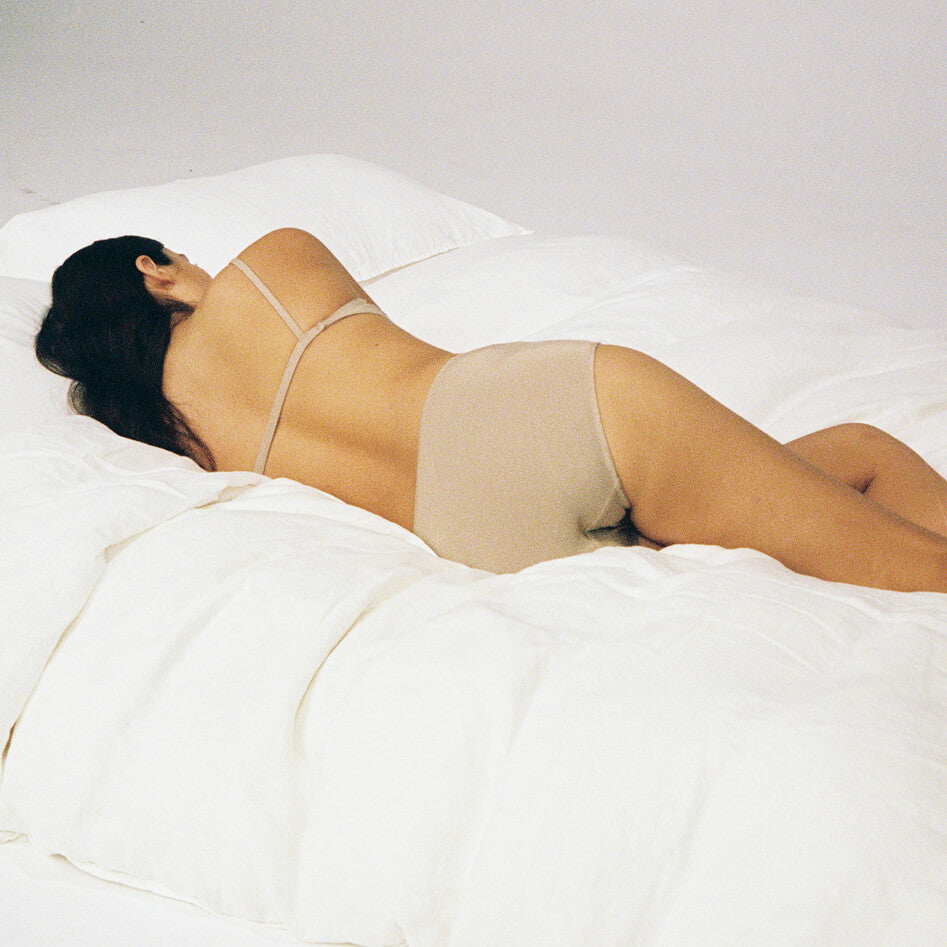
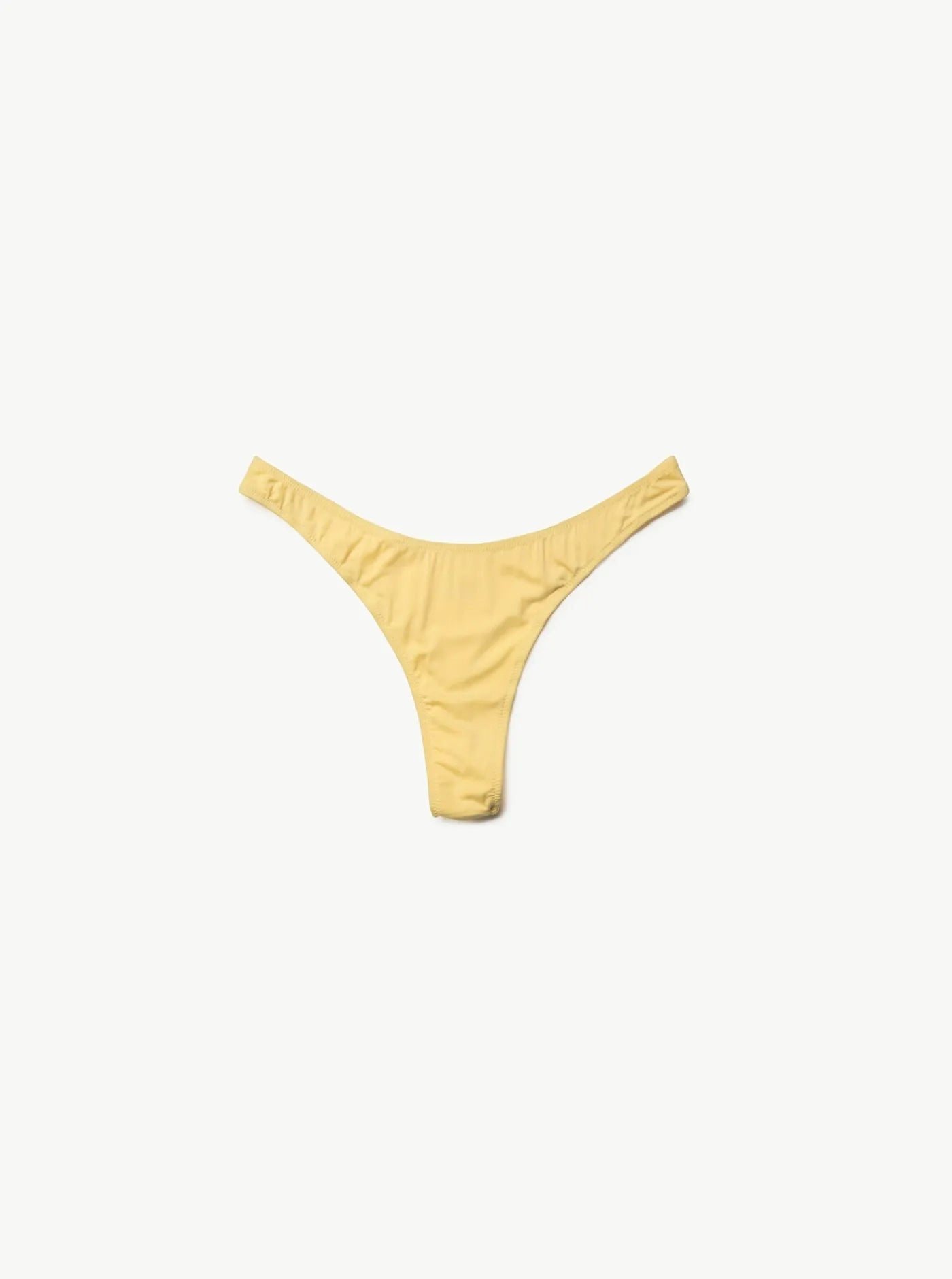
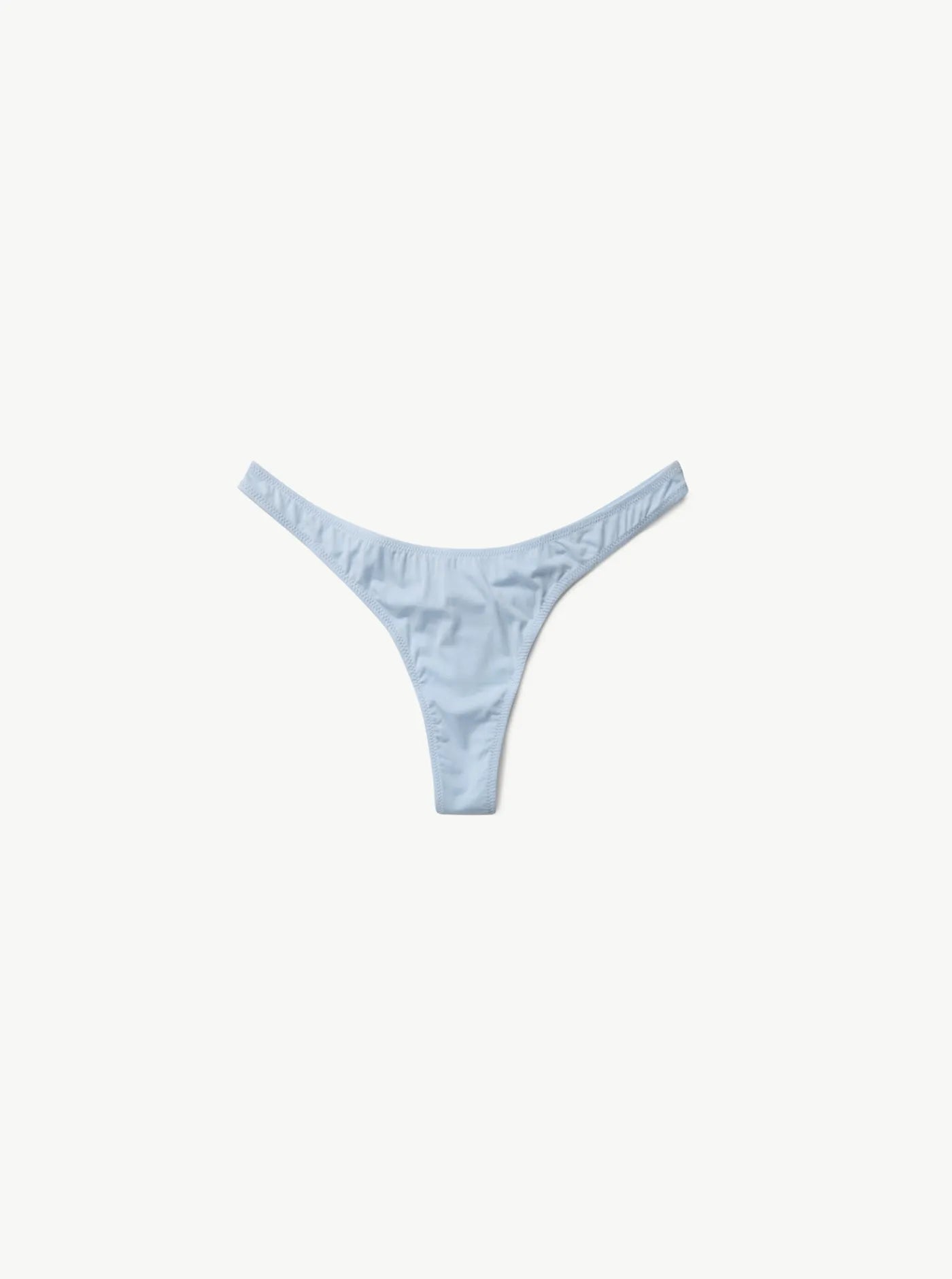

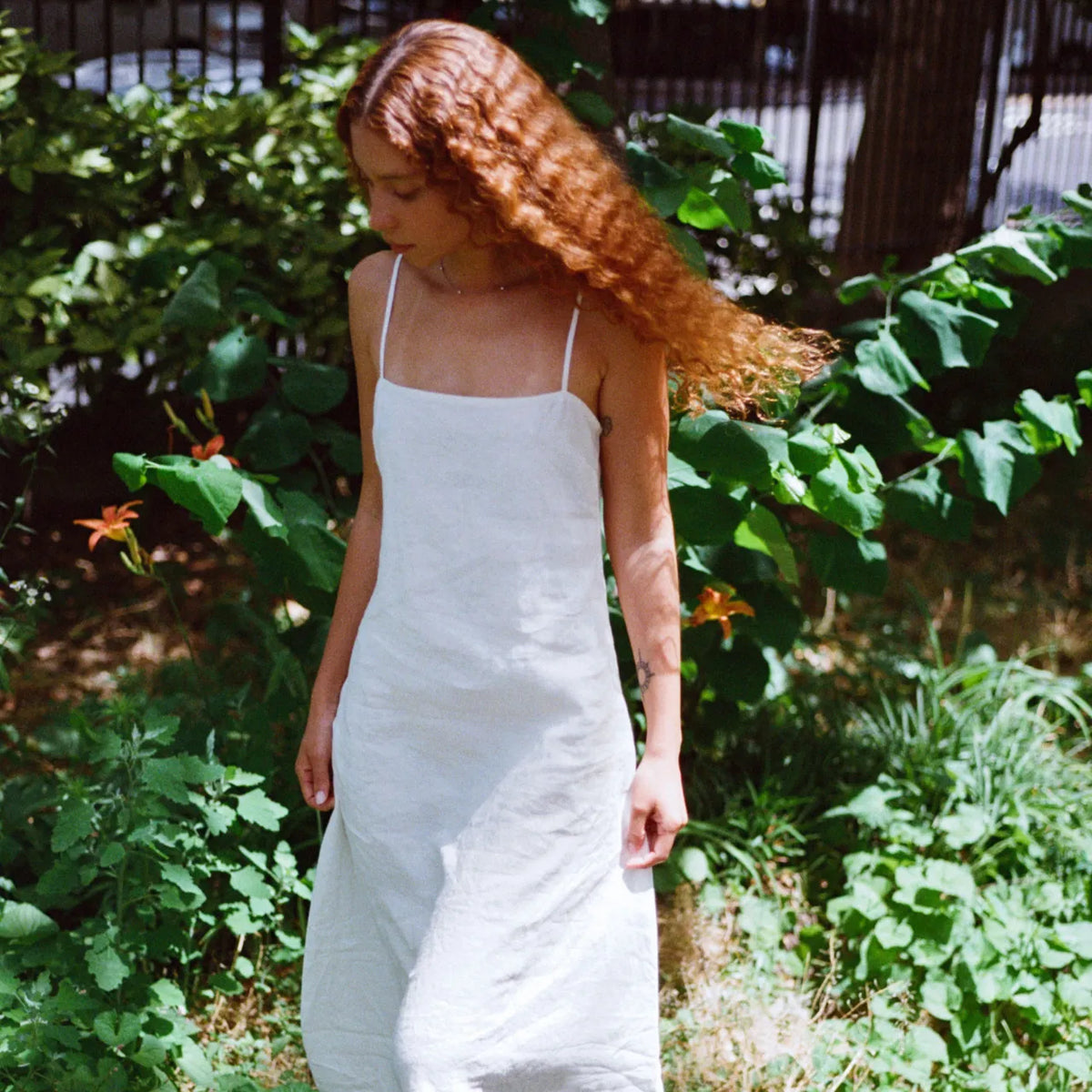
Flax was being spun into thread more than thirty thousand years ago, dyed wild fibres found in a cave in the Caucasus that predate farming, writing and the wheel, and by ancient Egypt linen had become a symbol of light and purity, worn every day, wrapped around the dead and held as a measure of wealth, the oldest surviving woven garment we have being a linen dress made over five thousand years ago.

01 IT LETS YOUR BODY BREATHE
Linen fibres are naturally loose and lightweight, allowing air to move freely through the weave, which helps regulate your body temperature and draws moisture away from the skin so you feel cool, dry and at ease no matter what the day holds.
02 IT SOFTENS WITH EVERY WASH
Most fabrics wear out, linen wears in, the fibres relaxing with every wash so a piece that starts out slightly crisp becomes more comfortable, more familiar and more yours the longer you wear it.
03 IT TAKES CARE OF ITSELF
Linen dries quickly and naturally resists holding onto odour, so it does not ask for the constant washing other fabrics do, meaning less laundry, less water and energy, and a piece that stays fresh between wears.
04 IT IS MADE TO BE WORN FOR YEARS
Not all linen is created equal and the quality is felt the moment you touch it, good linen coming from long staple fibres grown in regions like Belgium, France or Ireland, with a thread count between 80 and 150 and a little natural slub in the weave that is part of its character.
05 FLAX IS A LOW INPUT CROP
Flax grows in cool damp climates on rain alone, northern France being the best growing region in the world for it and where ours is from, three quarters of the world's long flax fibre still coming from France, Belgium and the Netherlands, needing substantially less water than cotton and far fewer inputs, with nothing on the plant wasted, long fibres to linen, seed to oil, short fibres and stalk to paper and insulation, and untreated linen fully biodegradable at end of life.
06 WHY WE CHOSE HEAVYWEIGHT
Lightweight linen is cheaper to produce, thinner and often sheer, where a heavier weight gives you opacity without a lining, structure that holds its shape and more fibre in the garment, the single biggest factor in how long it lasts.

Thirty thousand years on the body and it still does the job better than most of what has come since. Grown on rain, softened by wear, returned to the earth at the end.